What is Art? A Journey of Expression and Discovery – If you use social media platforms like Instagram, YouTube, or TikTok, you may have encountered at least one video about contemporary art. Many of these pieces are difficult to digest, even for me as an artist who appreciates art movements like Dadaism and other art forms that challenge conventional norms. It’s time to step back and examine where we are and where we are heading in the art world.
Defining What Art Is: A Personal Perspective
While growing up, I spent most of my free time indoors, drawing and creating silhouette figures. Toys were a luxury my parents couldn’t afford. Times were tough. When I was in kindergarten, I contracted meningitis, a serious infection affecting the meninges—the protective layer around the brain. I spent three months in the hospital, and fortunately, I survived. After that, I wasn’t allowed to play outside due to health concerns. My options for entertainment were limited, mainly to watching cartoons.
Watching those cartoon characters and superhero movies fueled my desire to play with toys. I learned about action figures through ads, but I quickly understood that they weren’t available in my area. Instead, I began creating figurines out of paper—my first sculptures, though I didn’t realize they were sculptures at the time. This experience shaped my understanding of art as a form of expression.
What Art Means: Comfort and Expression
While studying art history, I came across the Venus of Willendorf, a small stone figure about 4.38 inches tall. Historians are uncertain about its purpose, but one theory suggests it could have been a toy. This idea resonated with me, reminding me of my own childhood creations. Perhaps Venus of Willendorf was made by a father for a child who had lost a mother, a simple toy providing hope. Art doesn’t always have to be political or address social issues; it can also be something as straightforward as a toy made to inspire imagination and alleviate solitude.
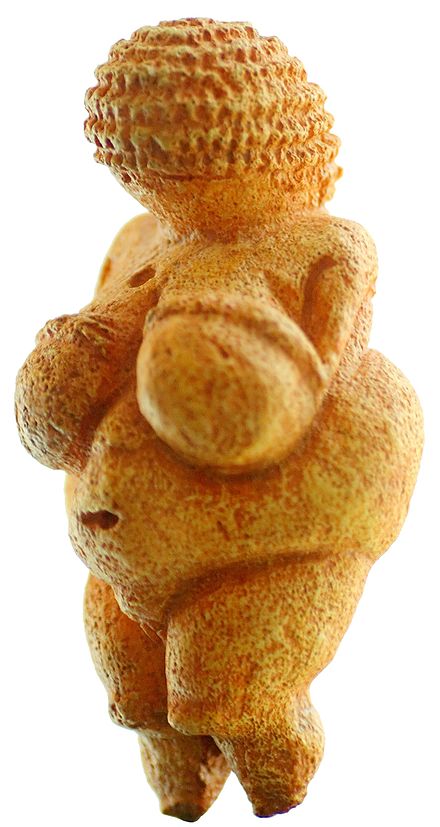
Read more about Venus of Willendorf in https://www.britannica.com/topic/Venus-of-Willendorf
Evolving Perceptions
Before joining a fine arts program, I thought art was limited to realistic paintings and sculptures. Then I watched the web series “Genius,” which focused on Albert Einstein and Pablo Picasso. This sparked a shift in my perception of art. For the first time, I questioned whether my creations were truly art. I began to strive for uniqueness in my work, but as I gained more knowledge, the creative process became increasingly challenging.
By the last year of my course, I was determined to break the norms of conventional art. While my peers often criticized my choices, I felt compelled to pursue my path. I found traditional art practices uninspiring and, at times, dishonest. My college favored artworks with social relevance, which I initially followed but soon found absurd. This realization led me to create art on my own terms—a lonely and sometimes destructive path that made me question everything.
Understanding Contemporary Art: A New Definition
Studying artists like Marcel Duchamp and Banksy helped me appreciate contemporary practices. As a fan of both, I recognized that dismissing contemporary art entirely would be hypocritical. Yet, I still believe some contemporary works have gone too far and can seem ridiculous or obscene. Is everything an artist claims to be art actually art? I think not.
I find contemporary art to be biased, often created by a small group of artists from prestigious institutions. This elitism undermines the broader art community. Furthermore, I question the sincerity of artists who tackle social and environmental issues in their work. I believe artists should not feel pressured to create art they don’t want to, unless, of course, they are being compensated well for it.
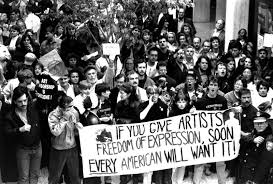
What is Art to You?
So, What is Art? A Journey of Expression and Discovery – Art is a deeply personal journey, shaped by our experiences and perceptions. While contemporary art challenges us to rethink what constitutes art, it’s essential to maintain a critical lens. Ultimately, art should be a space for personal expression, creativity, and hope, not merely a reflection of societal expectations.