
Bridging the Gap Between Humans and Nature
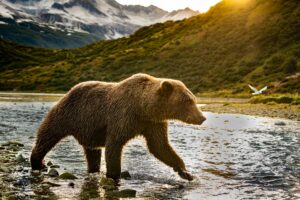
In an age where urbanization is the norm, many of us find ourselves disconnected from nature. Wildlife documentaries bridge this gap, offering a window into the lives of animals and ecosystems that are often far removed from our daily experiences. They allow us to witness the intricate dance of life in the Serengeti, the delicate balance of the Great Barrier Reef, and the untamed beauty of the Arctic tundra. This exposure not only satisfies our curiosity but also rekindles a sense of wonder and respect for the natural world.
Sparking Curiosity and Education
One of the most significant impacts of wildlife documentaries is their educational value. They introduce viewers to a plethora of species, ecosystems, and ecological phenomena. With captivating narratives and stunning visuals, these documentaries transform complex scientific concepts into accessible and engaging stories. For children and adults alike, they serve as a powerful educational tool, fostering a deeper understanding of biodiversity and environmental science.
Imagine a child watching “Planet Earth” for the first time, eyes wide with amazement at the sight of a snow leopard stealthily traversing the rocky cliffs. That spark of curiosity can lead to a lifelong interest in wildlife biology, conservation, or even filmmaking. In this way, wildlife documentaries play a crucial role in inspiring the next generation of scientists, conservationists, and environmental advocates.
Showcasing the Power of Storytelling
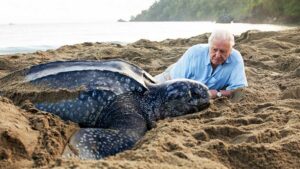
Wildlife documentaries are a testament to the power of storytelling. Filmmakers like David Attenborough and organizations like National Geographic have mastered the art of blending stunning visuals with compelling narratives. These stories not only highlight the beauty and complexity of nature but also address critical environmental issues. Through the lens of a camera, we witness the interconnectedness of all life on Earth and the impact of human activities on the environment.
The storytelling in wildlife documentaries also emphasizes hope and resilience. While they don’t shy away from portraying the harsh realities of the natural world, they often end on a note of optimism, showcasing successful conservation efforts and the incredible adaptability of wildlife. This balance of realism and hope can inspire audiences to believe that positive change is possible.
Conclusion: A Call to the Wild
To sum up, wildlife documentaries do more than entertain; they educate, inspire, and transform. They take us on journeys to the farthest corners of the Earth, deepen our understanding of the natural world, and instill a sense of responsibility towards protecting it. As we watch these films, we’re reminded of the beauty and fragility of our planet. So, the next time you find yourself engrossed in a wildlife documentary, remember that you’re not just a passive observer. Finally, you’re part of a global audience being called to appreciate, understand, and protect the wild wonders of our world.
