

What’s Music ?
Music in fact, which is also called the language of understanding and a joy has a crucial influence on our existence. It can stimulate, recall certain experiences or events, and even dictate our state of spirits. However, I would like to know what follows after the basic feeling everyone gets involved with? Music is the inquiry of how it occurring and how pervasive it is and effects on diverse aspects such as moods for memories, cognitive abilities and health. Let’s go deep into the details of our unique analysis of the effects of various types of music on the brain and see how this marvelous art can influence our neural activity.
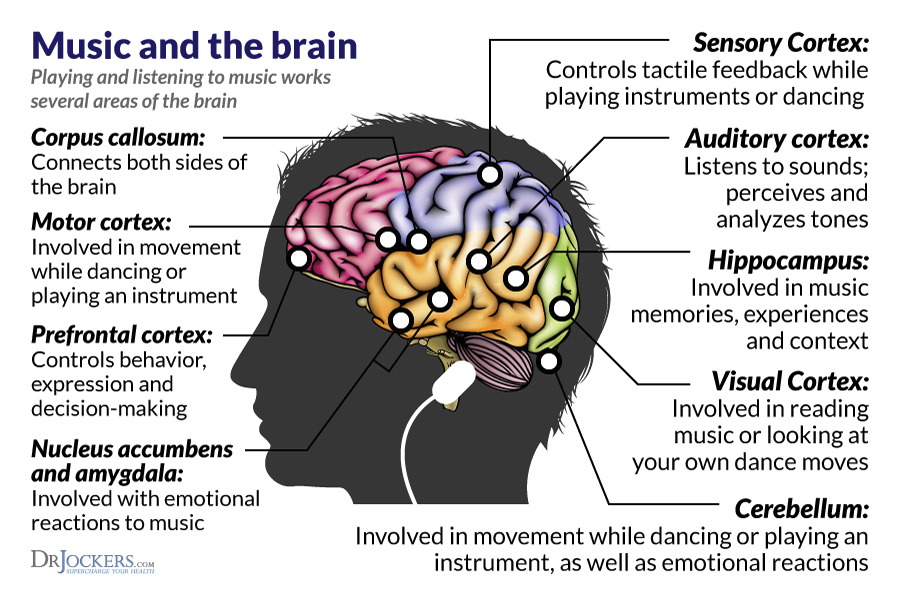
A Symphony of Activity:
This is quite evident when you listen to melody as part of your brain activates in different areas. Given the title and plot’s focus on music, the auditory cortex, as expected, assumes the starring role and assimilates the notes. And yes the journey doesn’t just end here. The temporal lobe affiliates an inkling with rhythm and harmony. This happens because of increased activity in the limbic systems, which are associated with emotions. Understanding of this activity shows why opera is capable of eliciting passion in its spectators.
Music and Memory :
Memory is another aspect of its relation, as music is also known for activating our memory functions. Asks yourself why, for instance, a certain melody could make you recall a certain event that may have happened in a certain period in your life. This is the case because the Anterior cingulate cortex, which is part of the medial prefrontal cortex, is one of the final regions in the brain that becomes impaired by Alzheimer’s disease. This is the reason why people with Alzheimer’s can still sing songs they learned from childhood or theirs adolescence, even though they cannot recall recent events. The link below describes all the affects shown on brain by music.
https://www.health.harvard.edu/blog/why-is-music-good-for-the-brain-2020100721062

Music and Stress Relief :
Technically, music is beneficial when used; it can play a role of relieving stress. Soft and slow music can facilitate slowing down one’s breathing and heart rate, lower blood pressure, and achieve muscle relaxation. People play music during relaxation and meditation procedures today to achieve the best results.
The link below explains in detail about the various affects shown on a human brain when listening to playlists of their own collection.
https://eight.psbdigital.ca/the-harmonious-i…act-on-the-brain/
Your Personalized Playlist for Brainpower:
Well, in that case how can one leverage the effects of swing to the improvement of brain faculties? Here are some tips:
1. I should produce music lists for various moods and activities. Finally, motivating tunes for exercising, soft tunes for resting and stimulating melodies to address the needs of a student would enhance your productivity.
2. Learn a musical instrument. Performing plainsongs A fundamental way involves stimulating many brain areas, and the physical activity in playing plainsongs might be beneficial.
3. Singing: Set a goal to include at least one song per day into your daily schedule. Before work, listen to an energizing mix; after work choose a soothing one.
This is true as people keep on discovering good music after listening to it of years or months or days. You could harness the power of music and make use of it to improve your moods, memory, ease through cognitive tasks, or improve your well-being. So turn up the music, look for a favorite song track, and enjoy the masterpiece inside the human mind!