Introduction
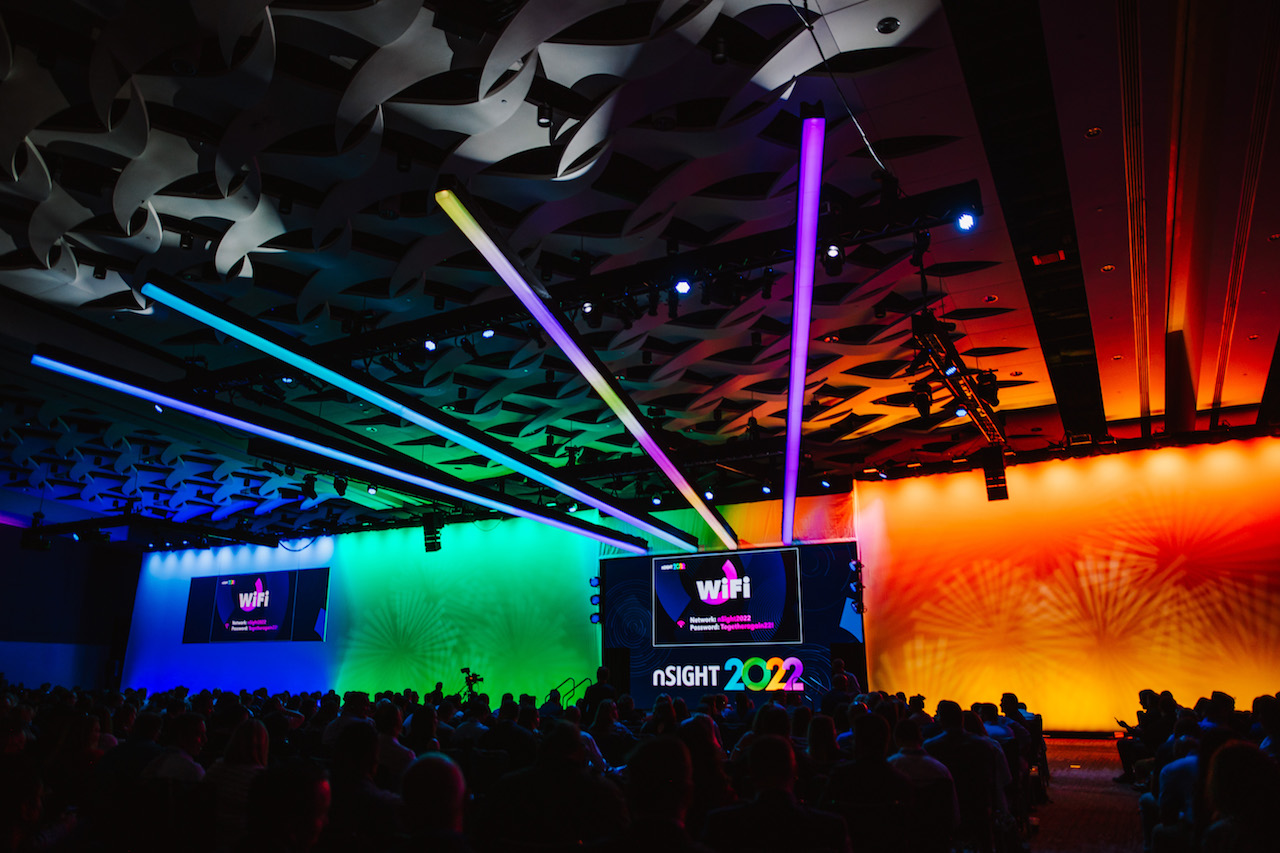
Experiential events have emerged as a disruptive tool in the creative industries to win audience engagement. There comes a time where one way or another, whichever mode the audience has been kept engaged with beyond TV commercials would have guaranteed a good response for any of the stakeholders who constantly work on such projects. Consumers want to engage with their favourite brands and artists through experiences that are real, engaging, and memorable. The entire set of pop-ups and multisensory exhibitions combined with technology, narrative, and audience participation changes how brands, artists, and organizations communicate with their audiences.
Experiential marketing builds an emotional connection at a level that transcends advertising, yet backstage successively turns out to seed levels of brand recall. It has been noted through studies that an individual tends to remember experiences much longer than advertisements; this becomes rather an exclusive engagement strategy.
Read more about experiential marketing strategies.
The Shift Toward Experience-Driven Engagement
Traditional marketing and event models often focused on one-way communication—brand to consumer. Yet with the advent of digital connections and short attention spans, audiences expect much more dynamism and interaction. Experiential events fill this gap by creating direct and immersive experiences that cause lasting impacts. For example:
Interactive Brand Activations
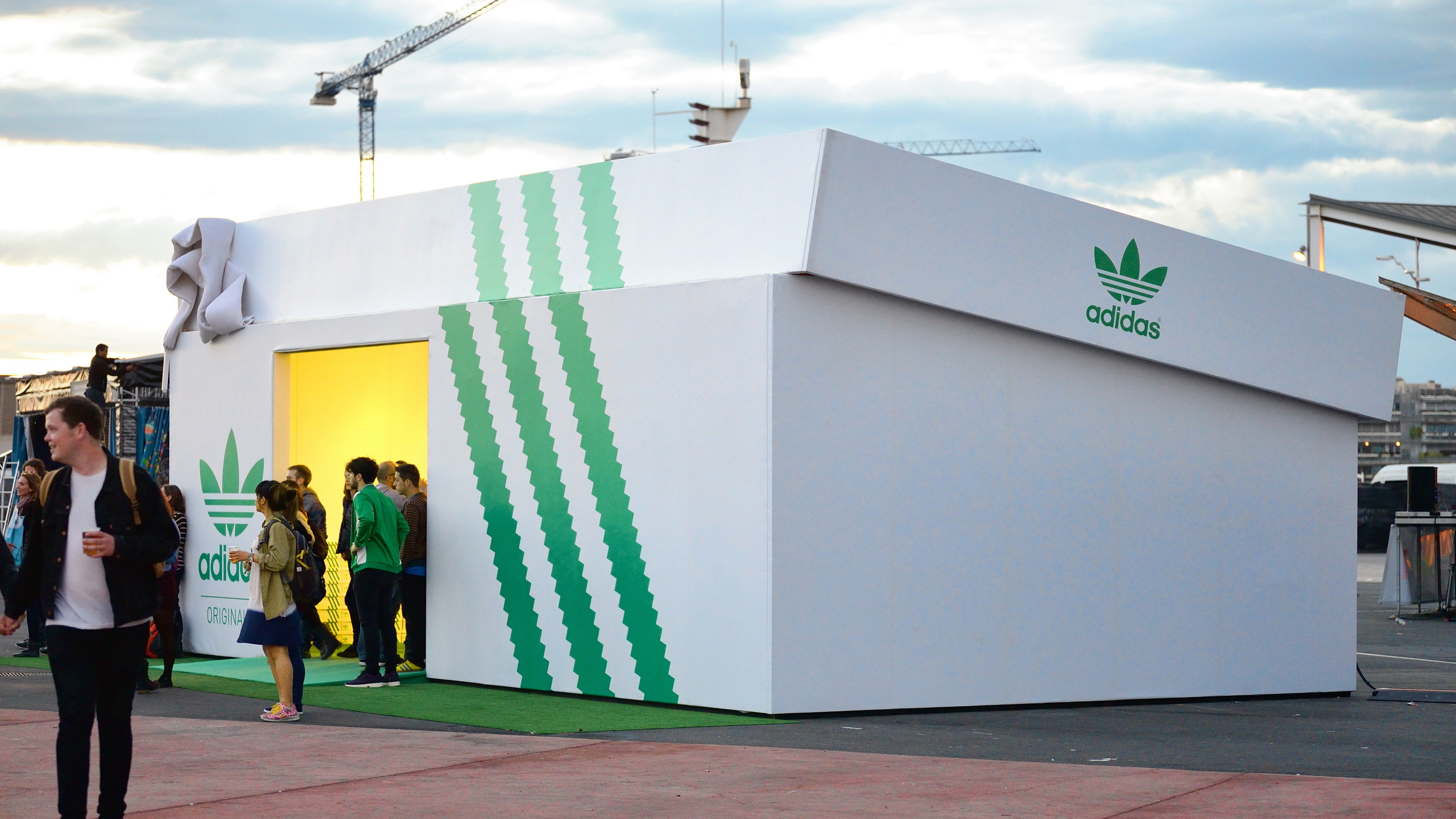
Companies like Nike and Adidas set up pop-up experiences for consumers to try products in real-time environments. In a nutshell, these activations contain influencers’ partnerships, gamification elements, and limited-edition giveaways aimed at greater interaction.
See how Adidas leverages brand activations.
Immersive Art Exhibitions
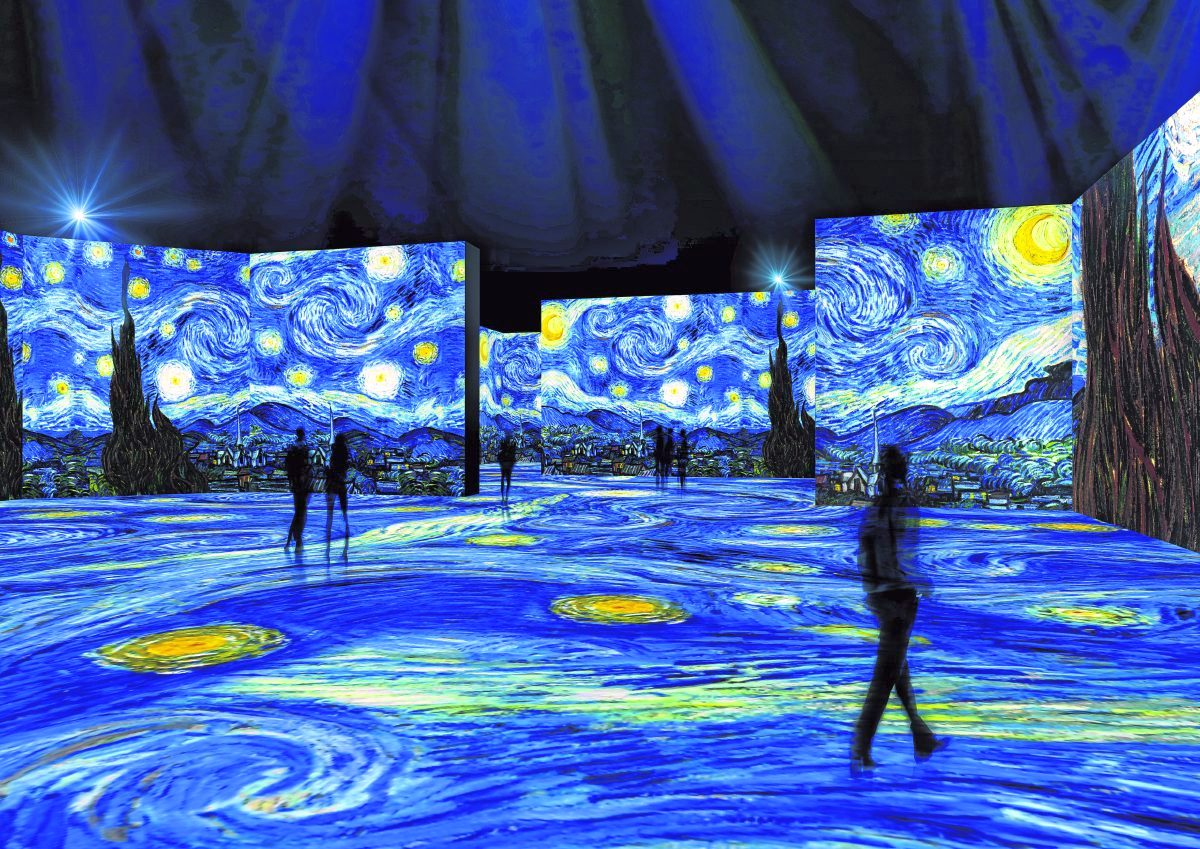
Digital art experiences of Van Gogh and Frida Kahlo use projection mapping to translate the works of art into artistic experiences for audiences. The exhibition also shows mobile apps augmented with AR features, allowing deeper immersion into the digital canvases of exhibited works.
Themed Live Events
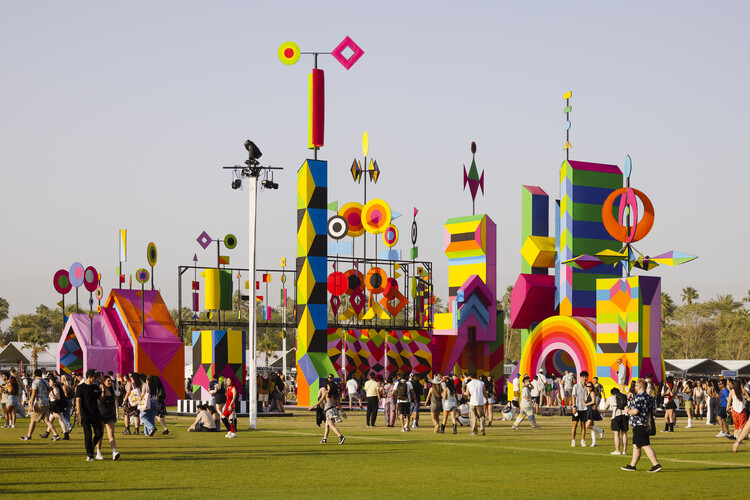
Coachella’s festivals are enriched by AR filters, exclusive brand activations, and themed installations to engage attendees further. The transfer provides a chance for brands to collect consumer insights while engaging people in real-time.
Discover how festivals use experiential marketing.
The Role of Technology in Experiential Events
New advancements in technology and experiential events are now growing more popular. New developments like augmented reality (AR), virtual reality (VR), artificial intelligence (AI), and real-time audience interaction tools are creating a shift from conventional events to the more modern spectacle.
AR & VR
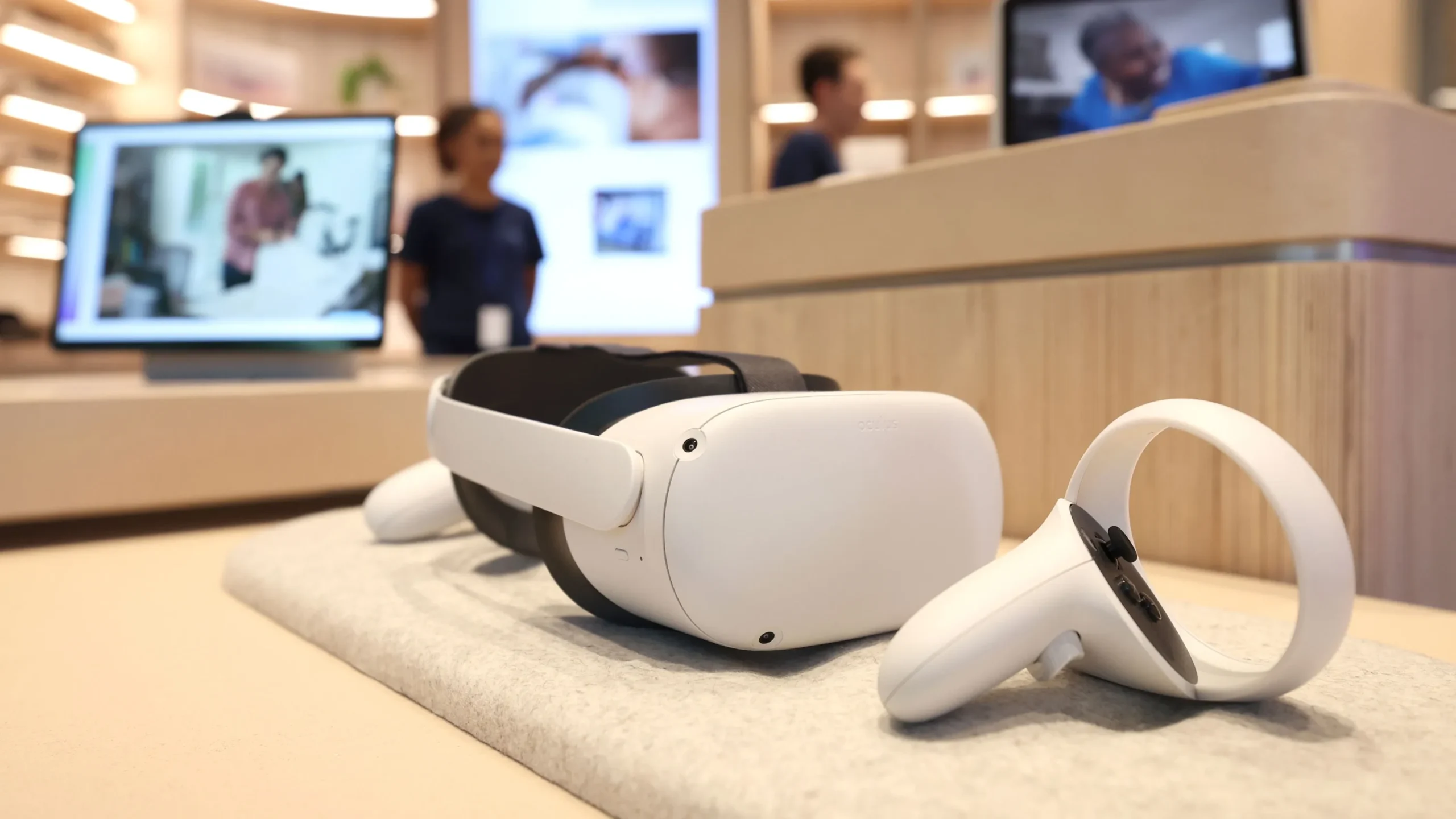
Brands use VR headsets to host virtual showrooms or immersive storytelling experiences. A two-way leap means that such an event could be modified for virtual attendance throughout a wide distribution.
Explore VR’s impact on events.
AI-Powered Engagement
Chatbots and AI-driven personalization enhance event experiences by curating recommendations based on user preferences continuously working with real-time optimization of layouts, people management, and marketing strategies based on attendee behaviour.
Social Media Integration
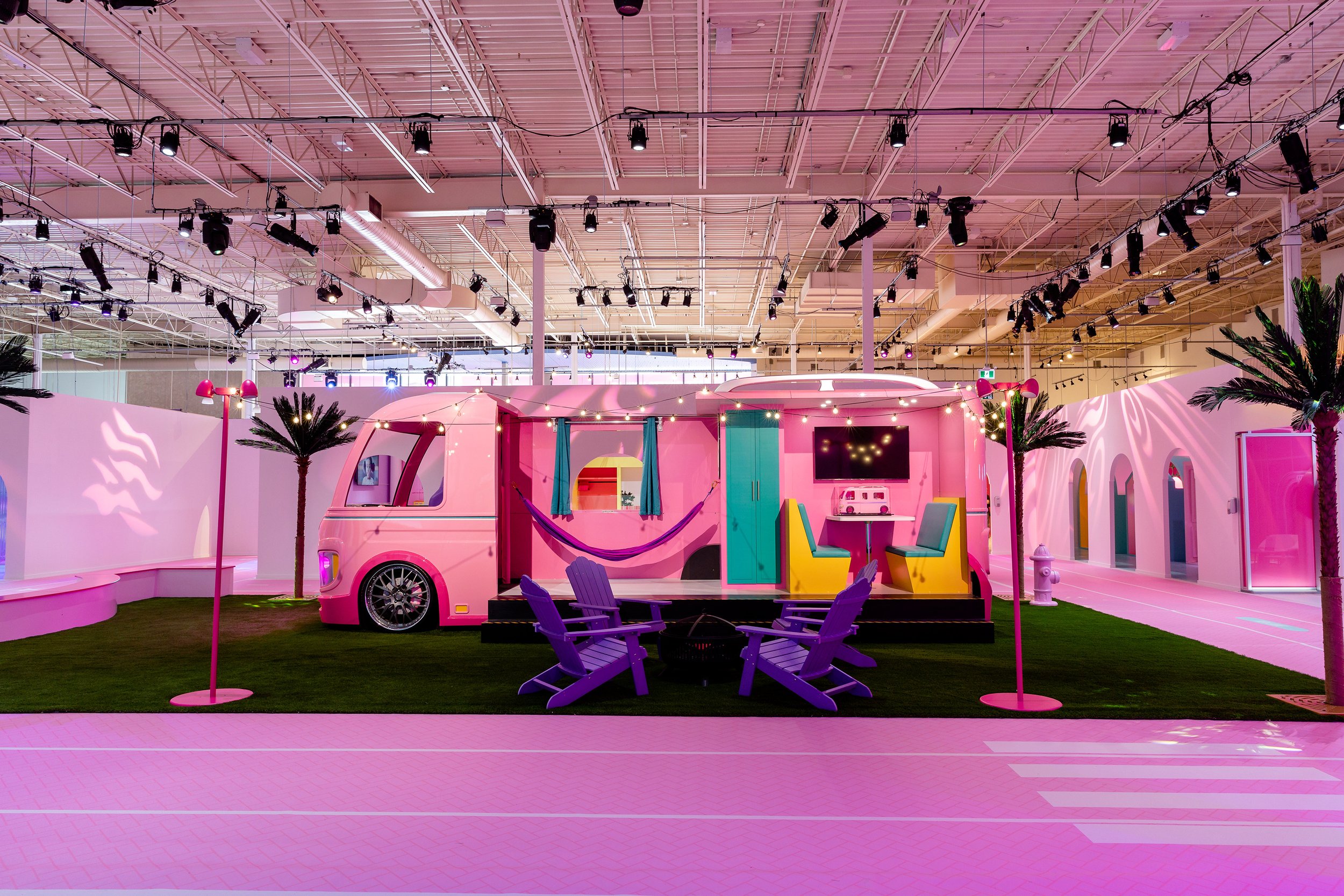
Events are created to be Instagrammable, with interactive hashtags that invite audience participation online. To elevate social engagement, incorporate live streaming, influencer affiliations, and user-generated content. Examples of social media-driven events.
See examples of social media-driven events.
The Business Impact of Experiential Events
Stronger Brand Loyalty
Consumers have more tendency to recall and resonate with brands providing engaging experiences. Such experiences create strong emotional ties that the consumer would cling to and even advocate for the brand.
Higher Engagement Metrics
Data shows that interactive events lead to increased social sharing and word-of-mouth marketing. According to research, brands engaged in experiential marketing saw a 65% increase in brand perception.
See research on brand engagement.
Monetization Opportunities
Ticketed immersive experiences, exclusive VIP sections, and branded merchandise sales provide an ongoing stream of income. Profits are augmented with sponsorship from the corporate sector, while data scraping makes it possible to acquire consumer insights, which is a further means of money generation.
The Future Trends of Experiential Events
The below-mentioned few trends will be at work in shaping the future of experiential events:
Hybrid Experiences
A combination of in-person and digital interactions that reach a larger audience. The hybrid event represents a multi-layered engagement with both onsite and remote attendees through live video streaming, on-demand content, and interactive digital elements.
Read about the rise of hybrid events.
Event Experiences Driven by Sustainability
Brands focusing on eco-friendly materials, minimal waste, and carbon-neutral experiences. Biodegradable decoration, digital tickets, and solar-powered venues create massive savings in eco costs.
See how events are becoming sustainable.
AI-Generated Personalization
An artificially intelligent-powered networking suggestion engine, curated event agendas, and other tactics all share a common theme: retroactive construction.
Conclusion
Experiential events are attentively shaping audience engagement in the creative industry. Through the combination of storytelling, technology, and immersive textures, it inspires a deep emotional bond between the brand and the audience that makes a huge impact on the brand and a lasting memory. Companies that embrace disruption and emerging trends while pushing customer experience to the forefront would be assured some prosperity in this ultra-competitive theatre. As the industry continues to evolve, those who embrace innovation and audience-first experiences will shape the future of events and creative storytelling.